Let’s break it down by category so you’re not mixing apples and carbon fibre.
🚴 Road Bikes
Fit is critical. Too big = overstretched. Too small = cramped.
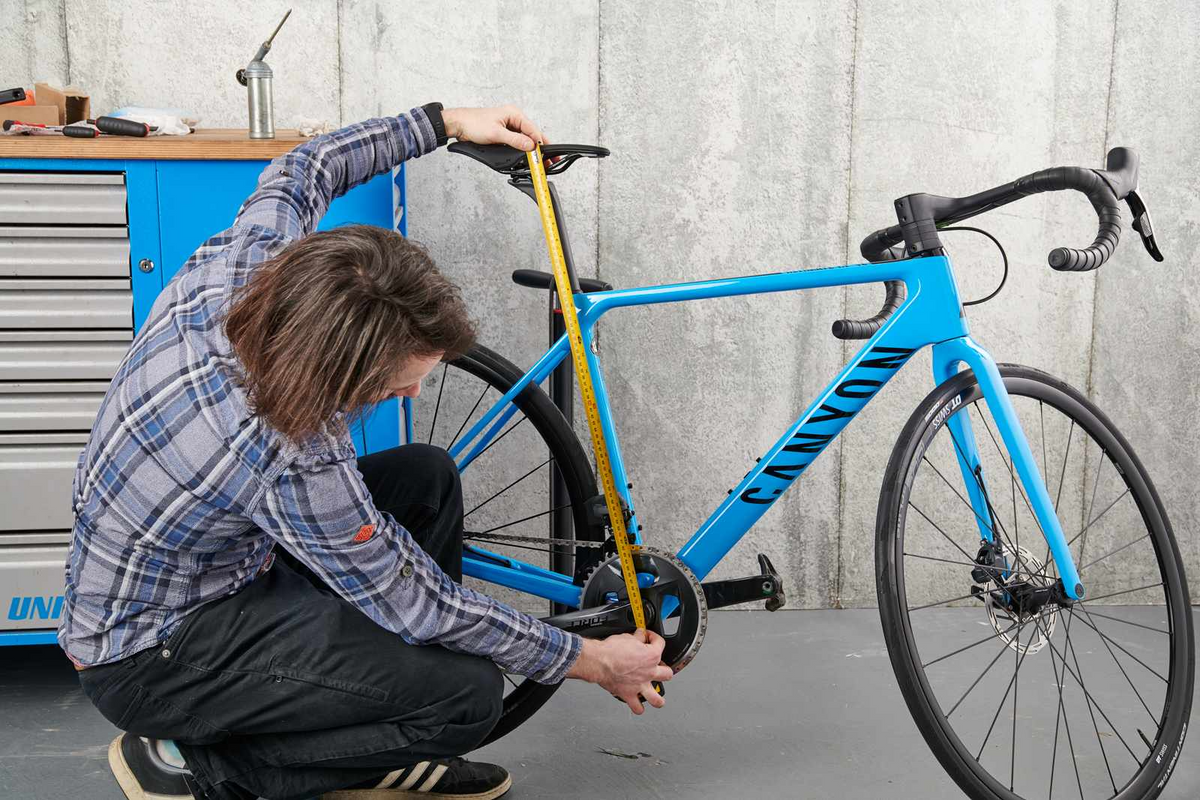
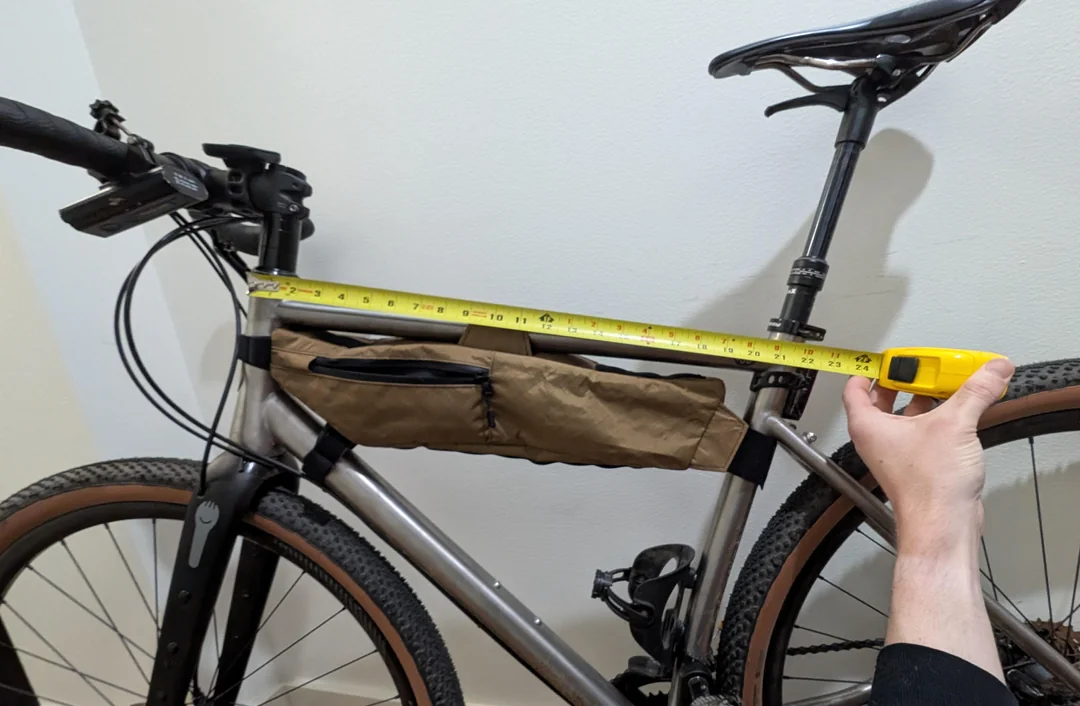
Look at stack (vertical) and reach (horizontal) as well as frame size.
Performance-focused? Go slightly smaller.
Comfort-focused? A taller stack or endurance geometry helps.
⛰️ Mountain Bikes
More forgiving, but still important.
Focus on reach and standover height (can you straddle it comfortably?).
Long legs? Size up. Short torso? Size down.
Some riders downsize for agility, others upsize for stability.
🚴♀️ Hybrid & Commuter Bikes
Prioritise comfort and control over pure performance.
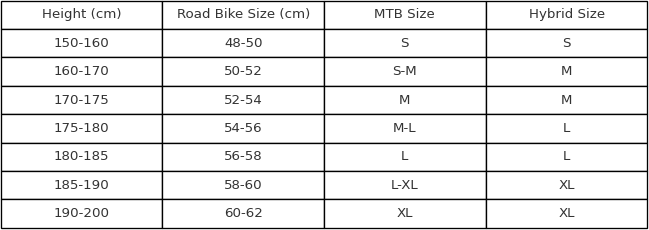
These often come in general S/M/L sizing.
Saddle height and handlebar position can be adjusted easily.
If you’re between sizes, go for the one that feels more upright.
🚲 Gravel Bikes
Sit between road and MTB in sizing.
Often similar to road sizing, but slightly more relaxed.
Choose based on what terrain you’ll ride most—more road? Size like a roadie. More off-road? Aim for comfort.
⚡ E-Bikes
Get this wrong, and it’s like riding a fridge downhill.
Heavier frames = sizing is crucial for safety and control.
Step-through frames are easier to size and mount for shorter riders.
👶 Kids Bikes
Size by wheel diameter, not frame.
Inseam is more important than age or height.
If they can’t put their feet flat on the ground, it’s too big.
Don’t size up “so they grow into it”—you’ll ruin their fun (and your wallet if they crash).