Community

Disc Brake Pads Explained: Types, Maintenance, and Choosing the Right Ones

All disc brakes — whether hydraulic or mechanical — work the same way: by pushing two pads against a rotor to slow or stop your bike.

But as with most bike components, even something as simple as brake pads comes in a variety of types and materials. Over time, pads wear down and need replacing, so it’s important to check them regularly. You can also upgrade or change your pads if you want better performance or to solve issues such as squealing brakes.

So, which disc brake pads are right for your bike? Here’s everything you need to know — how they work, when to replace them, and what materials to choose from.
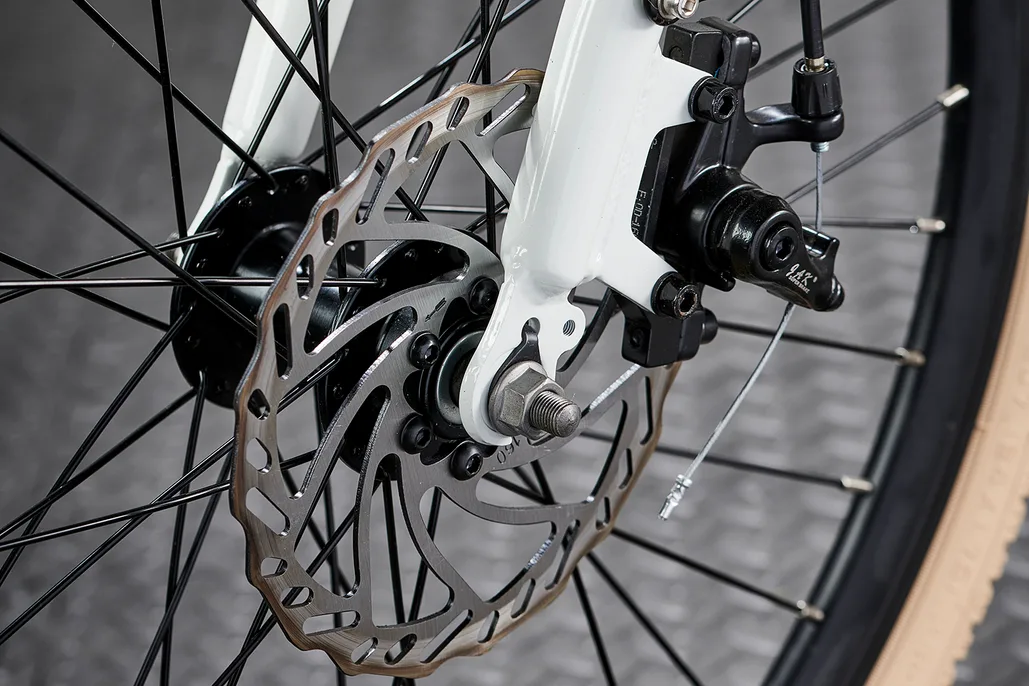
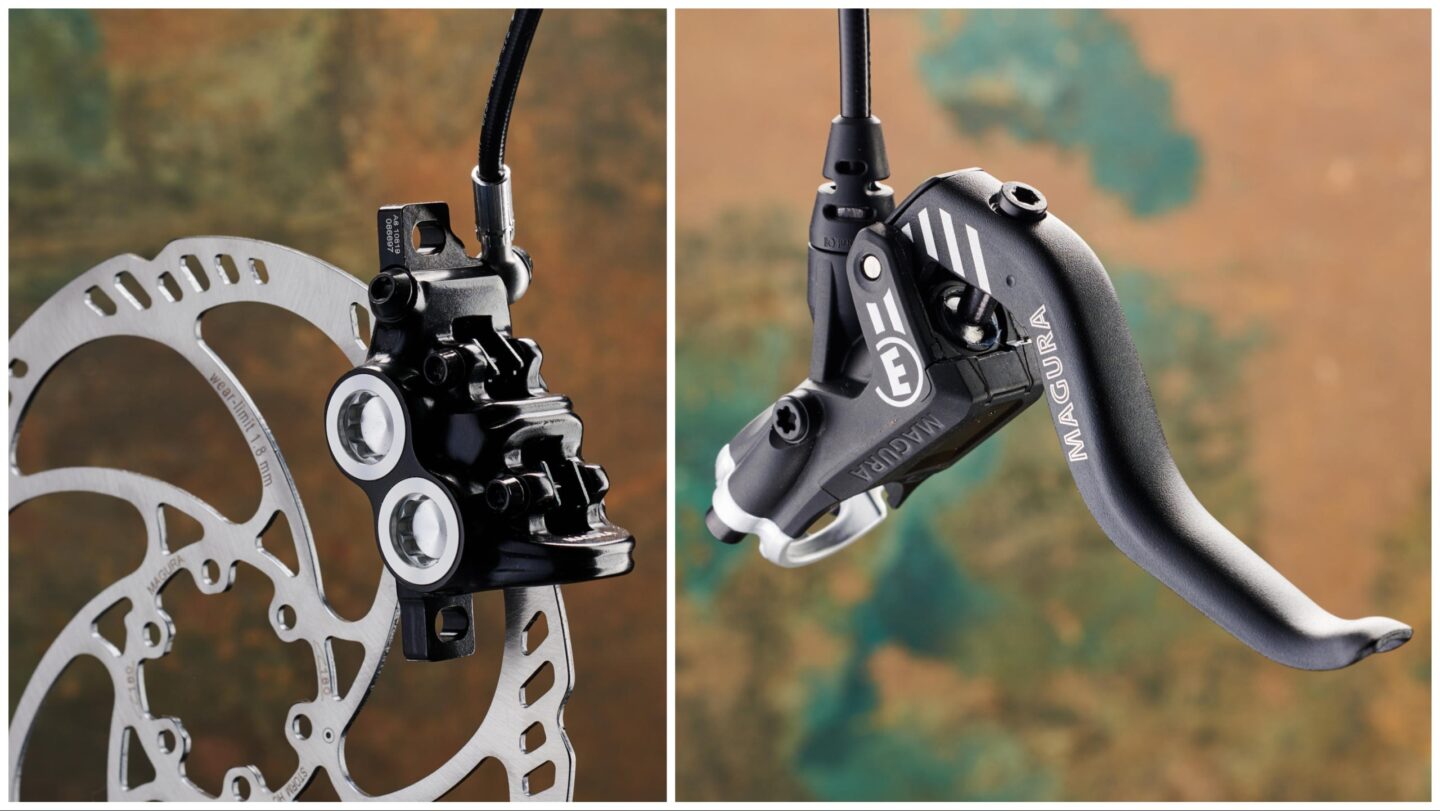
How Do Disc Brake Pads Work?

Disc brakes have become standard across most modern bikes — from mountain to gravel to high-performance road models.

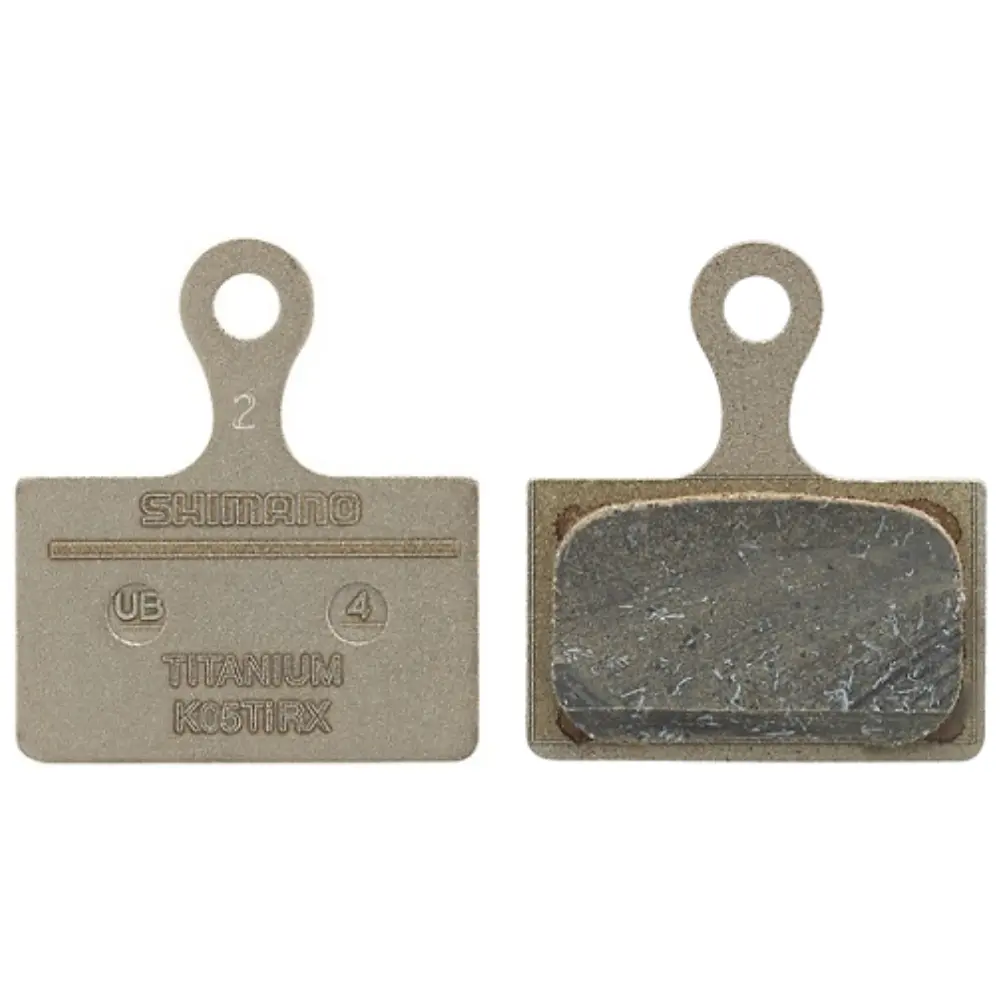
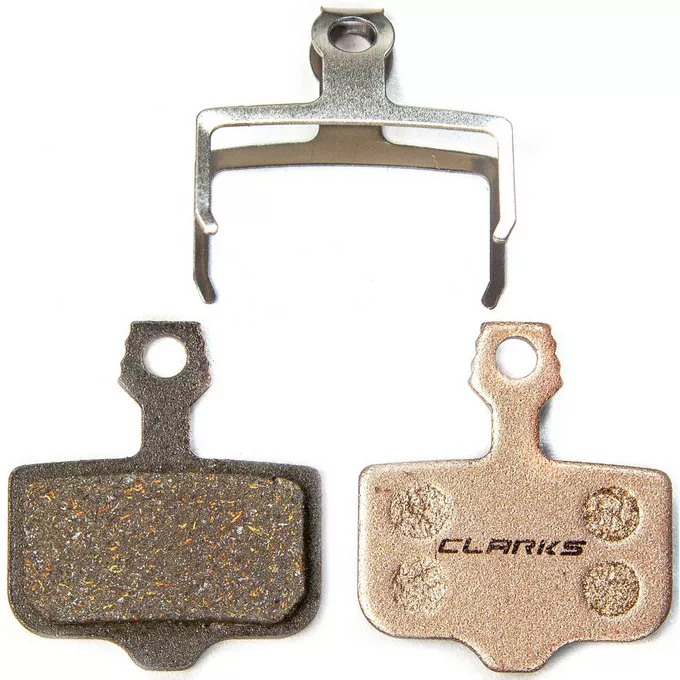
Each pad is made of a block of braking material bonded to a metal backing plate. The plate adds rigidity, holds the pad in place within the caliper, and helps to manage heat.

When you pull the brake lever, pistons in the caliper push the pads against the spinning rotor attached to your wheel hub. The friction between the pad and rotor slows the wheel and generates heat, gradually wearing down the pad material.

Some brakes use springs or magnets to keep the pads from rattling when not engaged. The metal backing plate also helps dissipate heat, and some models include cooling fins for extra temperature control.

Under heavy braking, excess heat can transfer into the caliper and even boil the hydraulic fluid — a problem known as brake fade — which reduces braking power.

Disc Brake Pad Compatibility

Not all disc brake pads are the same shape or size. Each brand designs pads specific to their callipers, so it’s essential to buy the correct type for your brakes.

Always check the manufacturer’s specifications or remove your current pads to match them before ordering replacements. Some smaller or boutique brands share designs with major manufacturers like Shimano or SRAM, but don’t assume compatibility without checking.

Types of Disc Brake Pads

There are three main types of disc brake pad compounds — organic, sintered, and semi-metallic. Each material offers its own balance of braking power, durability, heat management, and noise control, so the best choice depends on how and where you ride.

Organic (Resin) Pads

Organic pads are made from a mix of materials such as Kevlar, rubber, and silica, bound together with resin. They’re the quietest and most responsive type of pad, offering strong initial bite and smooth braking feel right from the start.

Because they generate less noise and don’t need to warm up, they’re ideal for dry conditions and lighter riding such as road cycling or cross-country mountain biking. However, they wear faster and can lose effectiveness in wet or muddy environments.

    • Pros: Sharp initial bite, quiet operation, quick to bed in, excellent low-temperature performance.
    • Cons: Shorter lifespan, reduced performance in wet or dirty conditions, prone to glazing and brake fade on long descents.

Sintered (Metallic) Pads

Sintered pads are made by compressing metallic particles under heat and pressure, resulting in a tough and long-lasting compound. They’re built to perform in all weather, especially in wet and muddy conditions where other pads might struggle.

They handle high temperatures well, making them ideal for downhill, enduro, or aggressive trail riding. However, they tend to be noisier and can feel less powerful until warmed up.

  • Pros: Long lifespan, consistent braking in wet or muddy conditions, excellent heat resistance, strong power under heavy braking.
  • Cons: Noisy, slower to bed in, and can transfer more heat into the caliper and brake fluid.

Semi-Metallic Pads

Semi-metallic pads combine the benefits of both organic and sintered designs. They use an organic base material reinforced with metallic particles, offering balanced performance across power, longevity, and temperature control.

They warm up faster than full-metal pads and last longer than organic ones, making them a great all-round choice for mixed riding conditions. They’re often a little noisier and more expensive but provide reliable braking whether you ride on- or off-road.

  • Pros: Good all-weather performance, durable, predictable braking, faster warm-up than sintered pads.
  • Cons: Can be prone to glazing, slightly noisier than organic pads, higher cost.

Tip: Many riders switch compounds seasonally — using organic pads for quiet, sharp summer braking, and sintered pads for durable winter performance. You can even mix compounds: organic at the front for more bite, and sintered at the rear for longer life. If you change pad types, consider replacing or cleaning your rotors to remove residue from the previous compound.

Mixing and Matching Pad Compounds

Experimenting with different pad materials can transform your braking performance. Many riders switch compounds seasonally — using quiet, high-bite organic pads in summer and durable sintered pads in winter.

You can even mix compounds: use organic pads on the front for sharper braking and sintered pads on the rear for longevity and better resistance to dirt.

If you change compounds, it’s best to fit new rotors too. Each pad type leaves residue on the rotor surface that can affect the bedding-in process of new pads. If you keep the same rotors, expect a slightly longer bed-in time.

Other Factors to Consider

Some pads use different backing materials such as steel, alloy, or even titanium. Alloy plates are lighter and may dissipate heat better, while titanium offers premium weight savings and strength.

You’ll also find options with cooling fins, popularized by Shimano’s Ice-Tech pads, designed to pull heat away from the braking surface during long descents. Other brands, such as SwissStop and Superstar, offer similar technology.

Summary:

Choosing the right disc brake pads comes down to your riding style, local conditions, and what matters most to you — whether that’s noise control, stopping power, or long-term durability.

  • Organic pads: Best for riders who want quiet, responsive braking and smooth modulation in dry conditions.
  • Sintered pads: Ideal for tough, all-weather riding where durability and consistent performance matter most.
  • Semi-metallic pads: A versatile choice that balances stopping power, lifespan, and reliability for mixed conditions.

Whichever type you choose, remember to check your pads regularly and replace them when worn. Keeping your braking system well maintained ensures consistent performance, better control, and a safer ride every time.


Check out our line of Brake Pads by clicking HERE


Rewards on SHIFTA
Shop with SHIFTA and earn rewards through the FREE prize draws. You earn tickets every time you visit, review and engage with the SHIFTA platform. Follow our journey on socials too… You can find us on Instagram and Facebook.


Win a WELDTITE BUNDLE

Get REWARDS on shifta. Our thankyou for being here!!

Weldtite Cleaning Bundle