

A good lock is the single most effective defence against bike theft – yet it’s often the part riders think about last which is why we have written the Ultimate Bike Lock Guide. Every year, thousands of bikes are stolen simply because they were secured with the wrong type of lock or not locked correctly at all. Thieves don’t need much time or effort; many carry lightweight cutters that can slice through thin cables in seconds.
The Ultimate Bike Lock Guide 2025
Choosing the right lock isn’t just about spending more money – it’s about understanding how, where, and for how long you leave your bike unattended. A city commuter who parks on the street all day will need something very different from a weekend leisure rider or someone who stores their bike in a shared hallway.
With a clear sense of your daily routine and the risks in your area, you can select a lock that offers the right balance between security, convenience, and cost. This guide breaks down the main types of locks, what their security ratings actually mean, and how to match each option to your riding lifestyle – plus a few bonus tips on how to make any bike harder to steal.
What Makes a Good Lock
A strong bike lock does two things well: resists physical attacks and deters opportunity. In other words, it should be difficult enough to break that a thief decides your bike simply isn’t worth the effort.
There are two main factors that determine a lock’s real-world effectiveness:
- Material strength – Look for locks made from hardened steel or similarly tough alloys. These metals are much harder to cut or saw through than standard steel or aluminium. Thin cables or lightweight alloys may look sturdy but often fail within seconds under bolt cutters.
- Locking mechanism – The cylinder (the part where the key goes in) is just as important as the body. High-quality locks use disc-detainer or double-bolted mechanisms, which are more resistant to picking and twisting attacks. Cheaper locks tend to rely on simple spring mechanisms that can be forced open with minimal effort.
Beyond strength and design, good locks have a secure closure system that locks both sides of the shackle (in D-locks) or both ends of the chain. This prevents twisting or leverage attacks, which are common methods used by thieves.
It’s also worth remembering that no lock is completely unbreakable. Given enough time and the right tools, any lock can be defeated. The real goal is deterrence – making your bike a harder target than the one next to it. That’s why the right combination of quality materials, smart design, and thoughtful use is what truly keeps your bike secure.
The Main Types of Bike Lock
Bike locks come in several main styles, each designed to balance security, portability, and ease of use. Understanding their differences will help you choose one that fits your daily habits and environment.
D-Locks (also known as U-Locks)
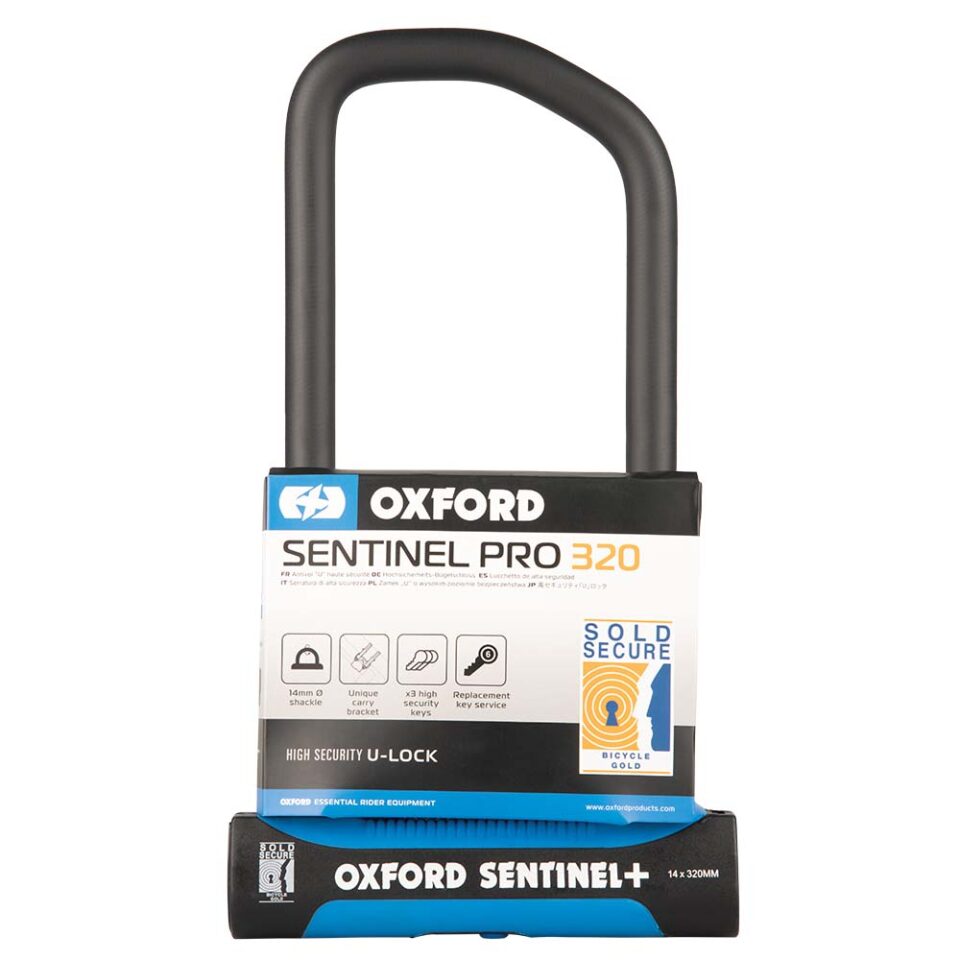
D-locks are the most common choice for everyday riders because they offer a strong mix of security and practicality. Their rigid steel shackle makes them resistant to cutting tools and leverage attacks when used correctly.
- Pros: High security for their weight, compact size, and easy to use.
- Cons: Limited flexibility – you’ll need a suitable fixed object to lock to.
Best for: Commuters or city riders who park in public areas for several hours at a time.
Tip: Choose a D-lock with a shackle thick enough that bolt cutters can’t easily grip, and ensure it locks on both sides of the shackle.
Chain Locks
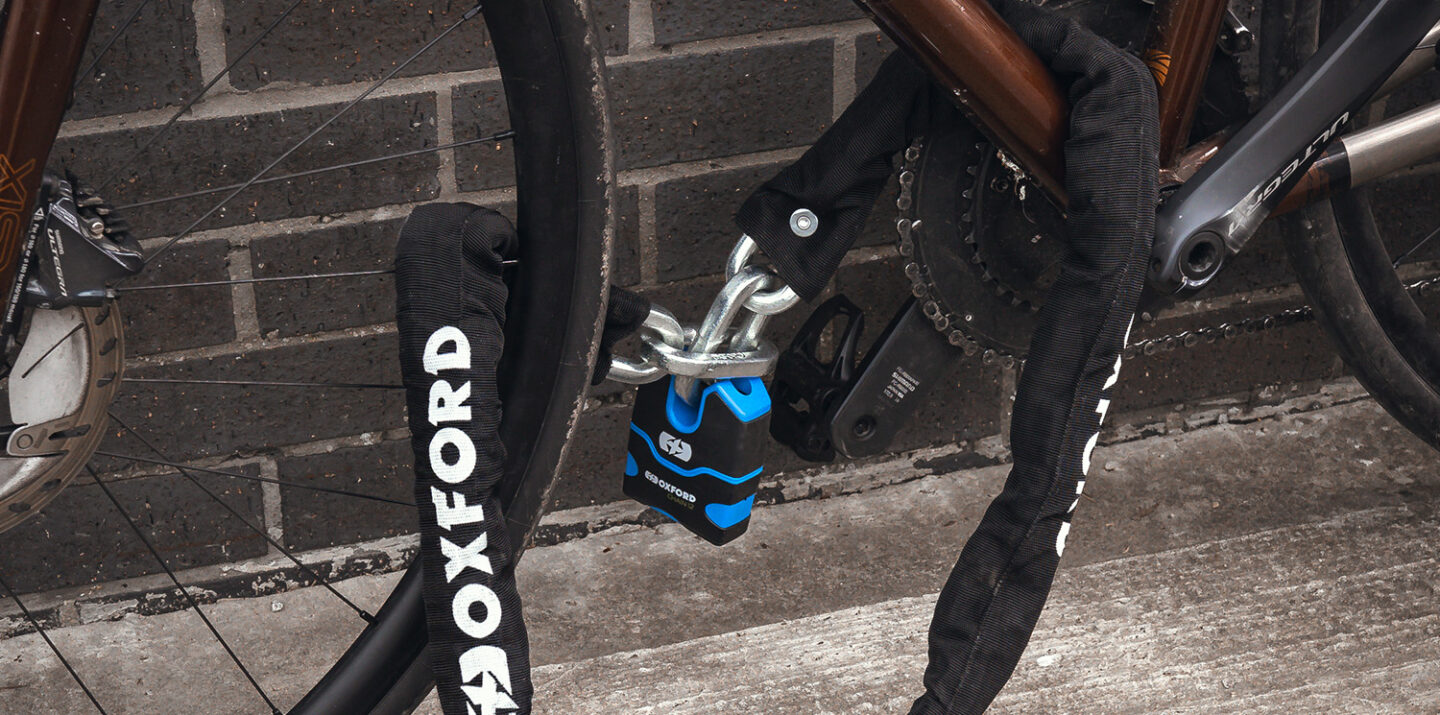
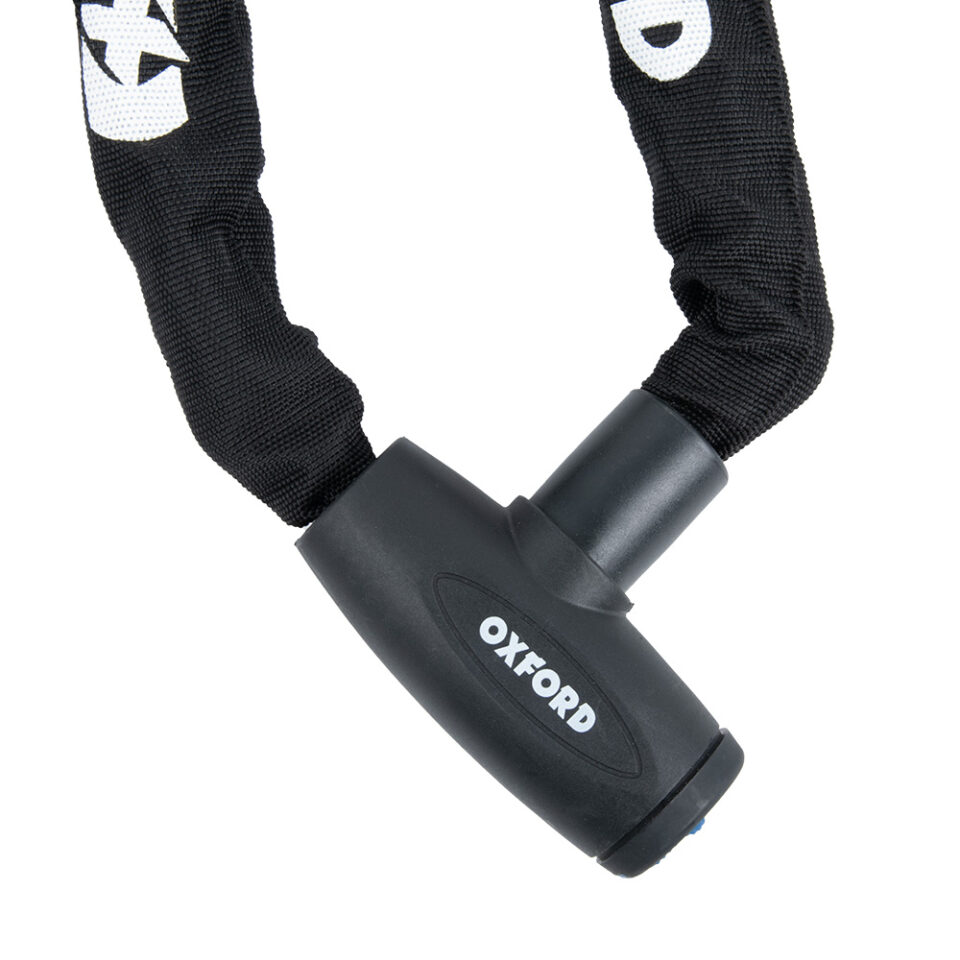
Heavy-duty chain locks use thick, hardened steel links and are extremely secure when combined with a robust padlock. They can loop around large or awkwardly shaped objects, giving more flexibility than D-locks.
- Pros: Very strong and adaptable to different locking points.
- Cons: Bulky and heavy — not ideal to carry long distances.
Best for: Long-term outdoor storage, garages, or areas with high theft risk.
Tip: Avoid lightweight chains sold for motorbikes or general use; they may not have the right hardness for bike security.
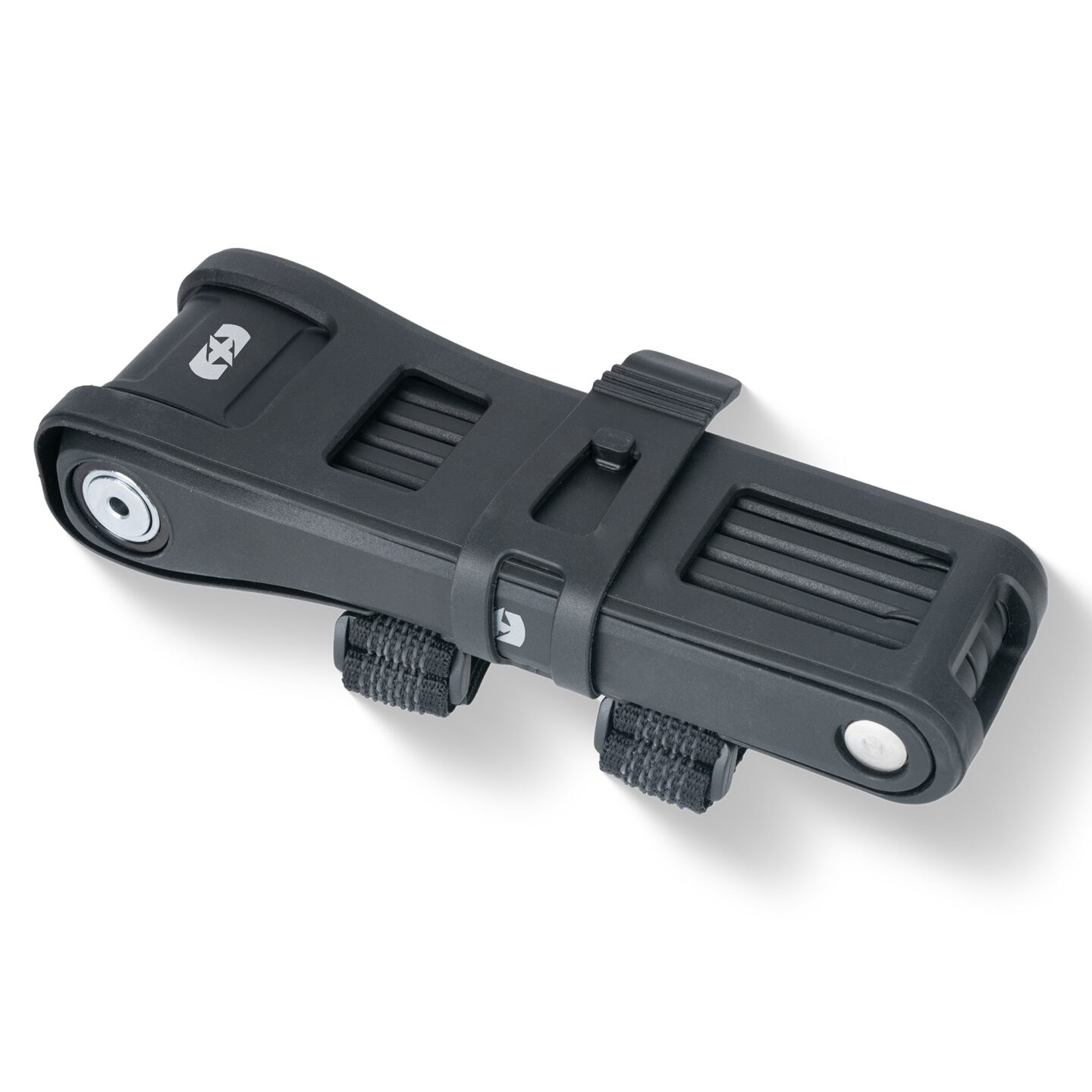
Folding Locks
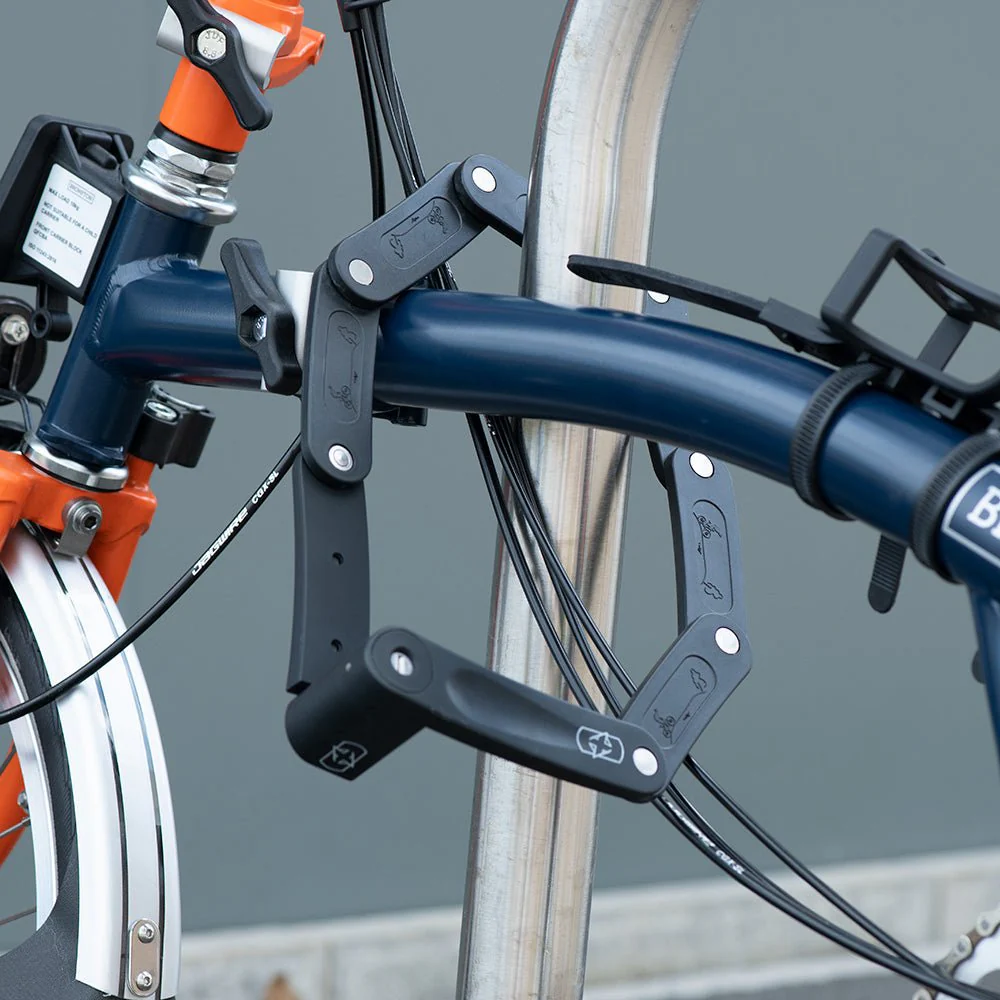
Folding locks are made from a series of steel plates connected by rivets, allowing them to fold compactly for transport. They sit between D-locks and chains in both security and convenience.
- Pros: Compact, portable, and easier to fit around various objects.
- Cons: The joints can be a weak point; not as strong as solid D-locks.
Best for: Urban commuters who value portability but need moderate security.
Tip: Look for models with anti-drill rivets and a security certification such as Sold Secure Silver or higher.
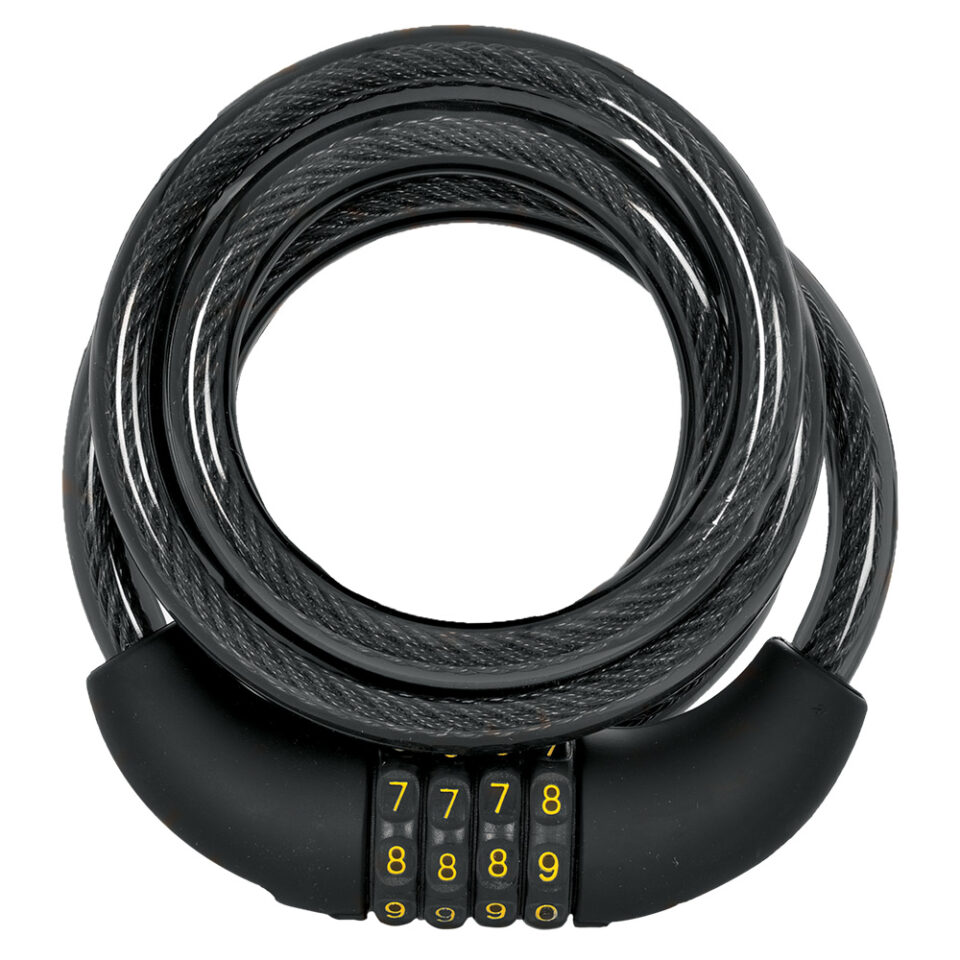
Cable Locks
Cable locks are made from braided steel covered in plastic — flexible and lightweight, but unfortunately the least secure type. Even thick cables can be cut with handheld tools in seconds.
- Pros: Lightweight, affordable, easy to wrap around multiple bikes or accessories.
- Cons: Minimal theft resistance; should only be used as a secondary lock.
Best for: Locking accessories (helmet, saddle) or quick, low-risk stops.
Tip: If you use a cable, pair it with a stronger D-lock to protect the frame.
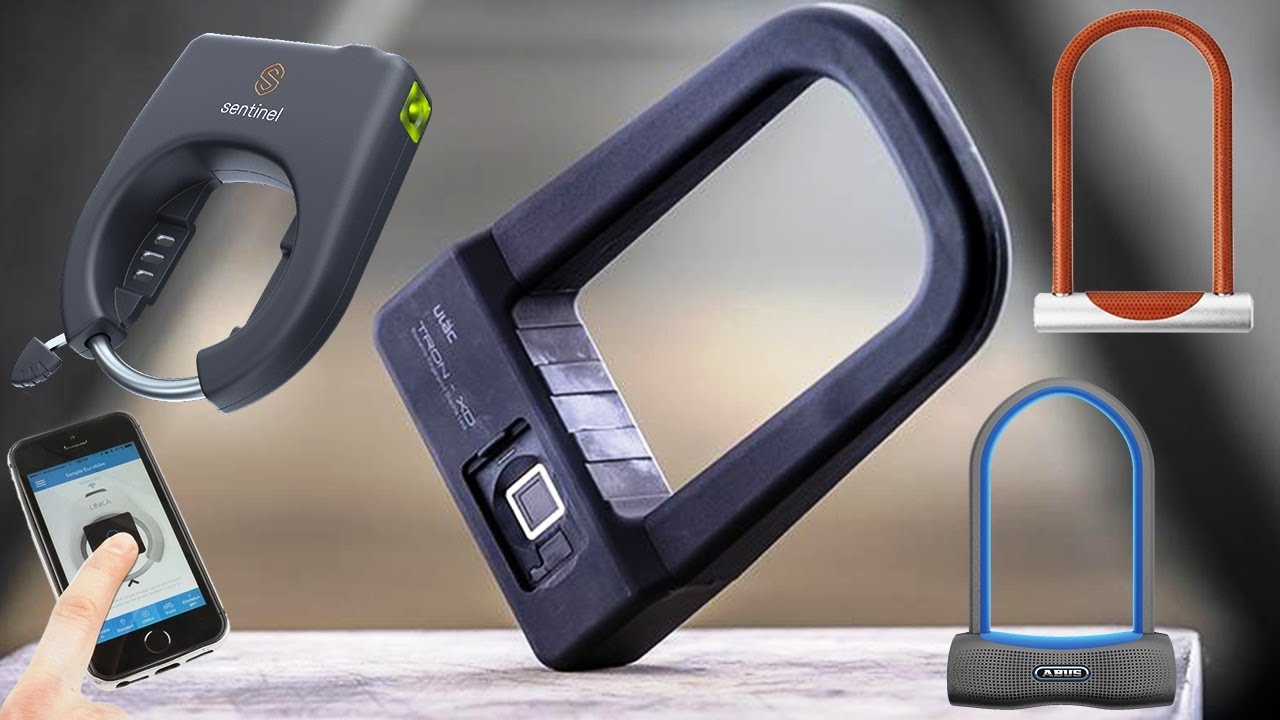
Smart Locks
Smart or Bluetooth-enabled locks combine physical mechanisms with digital features like keyless entry, alarms, or GPS tracking. While convenient, their mechanical strength varies widely.
- Pros: Quick to unlock, some include motion alarms or tracking.
- Cons: Reliant on batteries and tech; not always high in physical security.
Best for: Riders who prioritise convenience and use technology as a supplement, not a replacement, for solid hardware.
Tip: Treat any “smart” features as a bonus — the core security still depends on the materials and mechanism.
How to Assess Lock Quality
Once you’ve decided which style of lock suits your needs, the next step is to check how well it’s built. Not all D-locks or chains are created equal – two locks that look identical can differ dramatically in how long they’ll resist an attack.
Security Ratings
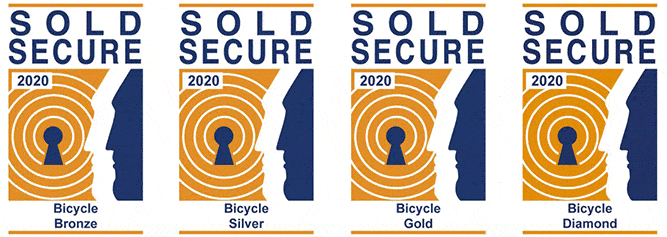
The easiest way to gauge a lock’s quality is to look for independent security ratings. In the UK and Mainland Europe, Sold Secure and ART are the most common certification systems.
- Sold Secure Bronze: Basic protection — suitable only for low-risk or very short stops.
- Sold Secure Silver: Medium protection — a sensible minimum for daily commuting in most areas.
- Sold Secure Gold: High protection — recommended for city riders or anyone leaving their bike unattended for long periods.
- Sold Secure Diamond (or ART 4+): Maximum protection — for high-value bikes or high-theft zones.
These ratings are awarded after testing how locks hold up against tools such as bolt cutters, saws, and drills. If a lock doesn’t list any rating, it likely hasn’t been tested to the same standard.
Build Quality and Materials
A good lock feels solid. Look for:
- Hardened steel shackles or links: These resist cutting and sawing.
- Thick shackles (13–18 mm): Anything thinner may be vulnerable to large cutters.
- Double-bolting mechanisms: Locks both sides of the shackle, preventing twisting attacks.
- Weatherproof coating: Helps prevent rust and extends the lock’s lifespan.
Avoid locks that rely heavily on plastic or have excessive play in the key cylinder — both can signal weak construction.
Practical Considerations
A lock’s weight and size also influence real-world usability. Heavier locks are typically stronger but may be inconvenient to carry daily. Some riders prefer two medium-weight locks over one very heavy one, as thieves rarely carry tools suited for multiple types.
Finally, check manufacturer guarantees and warranty policies. Some premium locks even offer anti-theft guarantees, refunding part of the bike’s value if the lock is defeated (though conditions vary).
A strong, well-rated lock might cost more upfront, but it’s a one-time investment that can prevent a costly replacement — and the hassle that comes with losing a bike.
Matching the Lock to Your Lifestyle
The best lock for you depends less on brand or price and more on how and where you ride. Someone commuting daily across a busy city faces different risks from a student keeping a bike in shared storage or a leisure rider locking up for a quick café stop.
Below are a few common rider scenarios — and the type of lock that fits each best. All examples are based on reliable, readily available options.
The Daily Commuter: Reliable protection you can carry
If you’re commuting every day, leaving your bike outside work or a station for several hours, you need a lock that offers strong resistance to attack but is still practical to carry.
The Oxford LinkLock Folding Lock strikes that balance well. Its hardened steel plates fold neatly into a compact shape, so it fits easily in a bag or mounts to your bike frame. Despite its portability, it provides a sturdy defence against bolt cutters and saws — far superior to lightweight cables.
Best for: Urban riders parking in public racks or high-traffic areas for several hours at a time.
The Student or Short-Stop Rider: Light, easy, and secure enough
If you use your bike for short trips — to class, the shop, or a quick lunch — portability usually wins over maximum strength. You still want something more secure than a basic cable, but not so heavy it’s a burden.
The Oxford LinkLock CL Folding Lock is a smart choice here. It’s slightly lighter than the standard LinkLock but still made with hardened steel links, giving decent theft resistance for shorter, lower-risk stops. The foldable design makes it easy to tuck into a backpack or mount under a bottle cage.
Best for: Students, errand riders, or anyone parking for less than a few hours in low- to moderate-risk areas.
The Weekend Adventurer: Flexible and dependable
If you use your bike mostly for weekend rides or occasional commutes, your lock should adapt to different environments — from rural café stops to city centres.
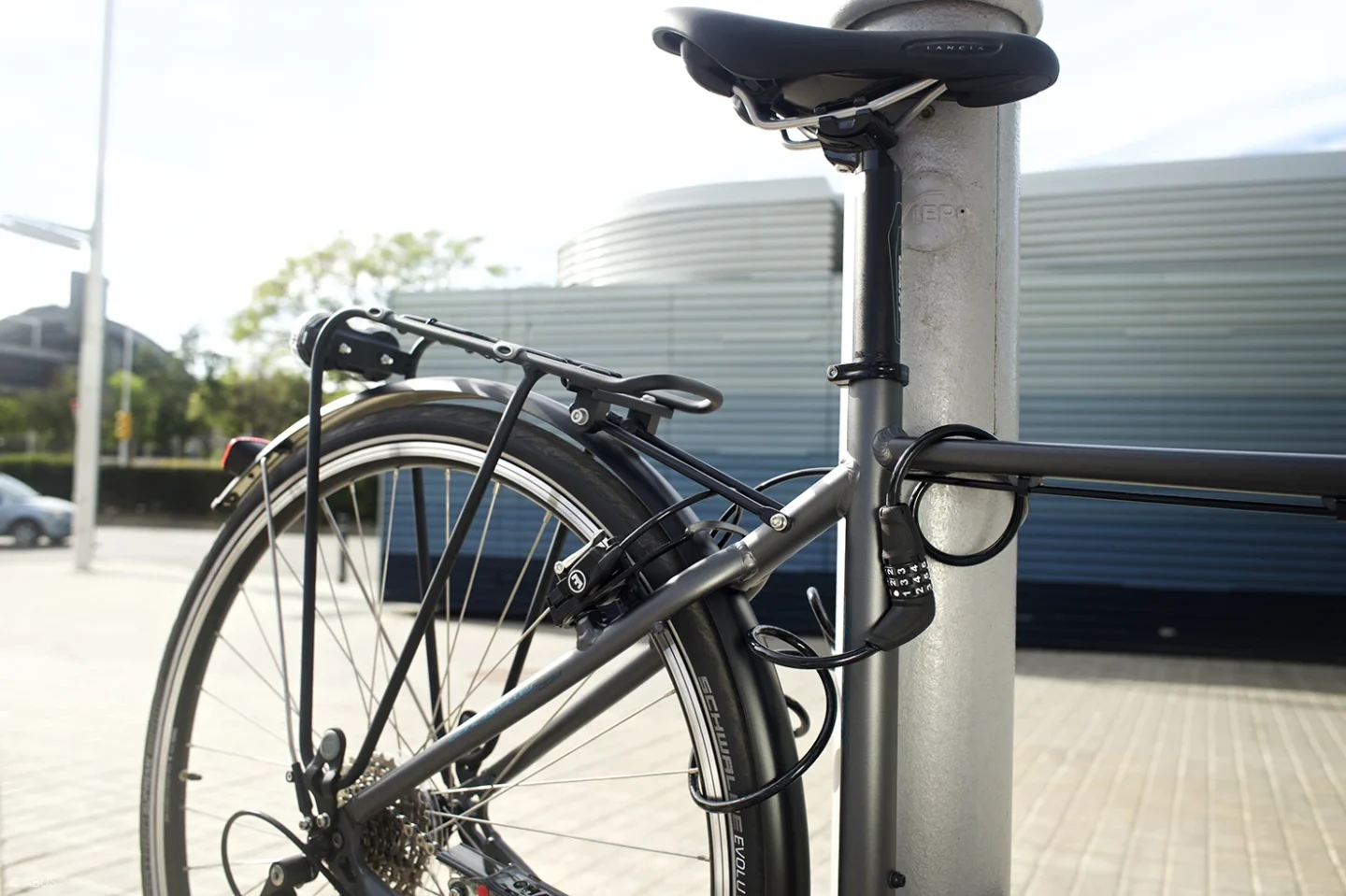
A Oxford Combination Chain Lock offers that flexibility. The chain format lets you secure your bike to a wider variety of fixed objects — fences, thick posts, or non-standard racks — while the integrated combination mechanism removes the need to carry keys. It’s a sturdy, user-friendly option that offers practical mid-range protection for casual riders.
Best for: Riders who value convenience and adaptability when locking up in varied settings.
The High-Value Bike Owner: Go heavier, not riskier
If your bike represents a serious investment — an e-bike, carbon road bike, or anything you’d be upset to lose — consider using two different lock types together.
Combining the Sentinel Pro with a Linklock Folding Lock dramatically increases protection. Thieves rarely carry tools for multiple lock styles, and the extra few seconds of inconvenience can make your bike a far less appealing target.
Best for: Riders who park in public for long periods or own high-value bikes.
By choosing a lock that aligns with your routine, environment, and bike value, you can make theft far less likely without sacrificing convenience. The key is consistency — use your lock every time, and use it properly.
Bonus Tips: Smarter Ways to Keep Your Bike Safe
- Choosing the right lock is only half the battle. How and where you use it can make just as much difference to your bike’s safety. These quick, practical tips apply no matter what kind of rider you are or which lock you prefer.
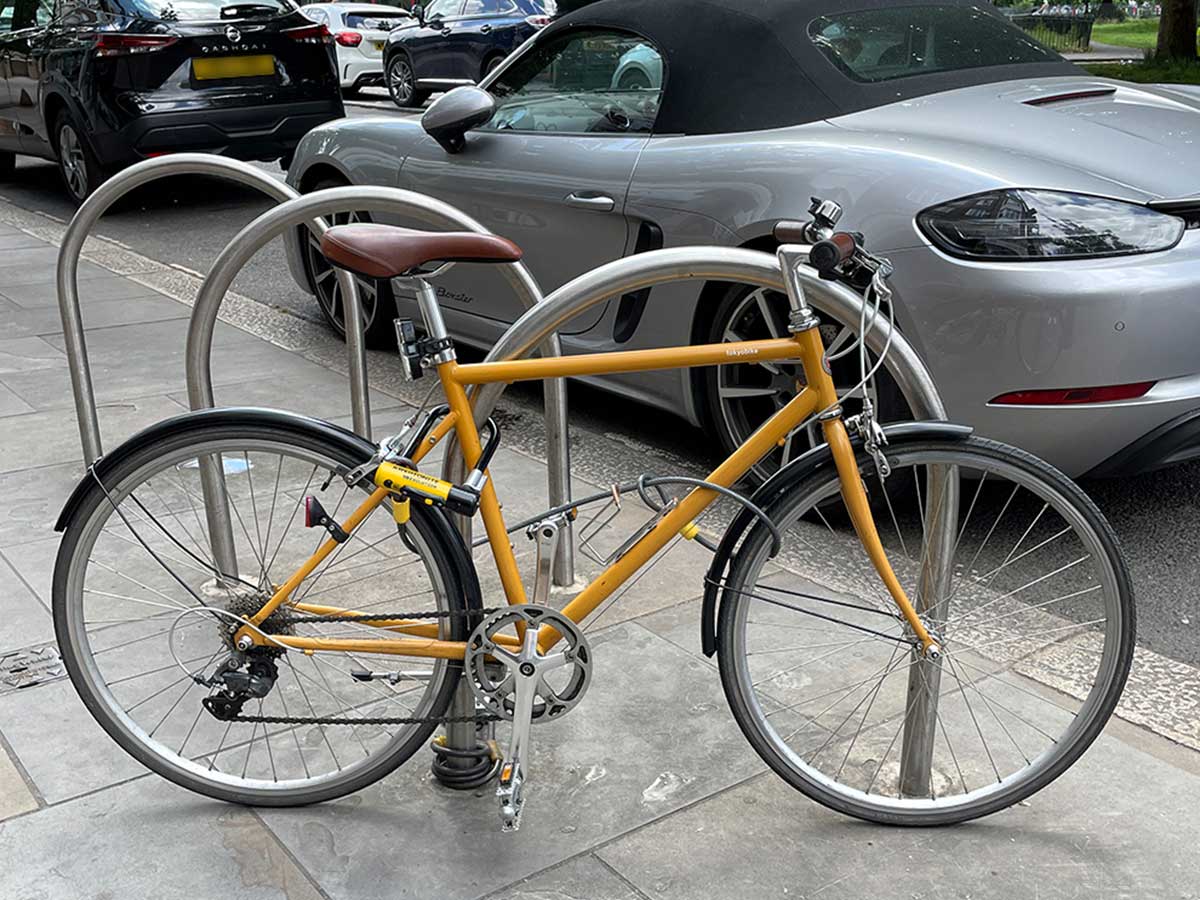
- Lock the frame and at least one wheel. Thieves often target quick-release wheels or unsecured frames. Always pass your main lock through the frame and rear wheel together, then use a cable or second lock for the front wheel if possible.
- Secure your bike to a fixed, immovable object. Make sure what you’re locking to can’t be lifted, cut, or dismantled — avoid signposts or fences that can be unbolted. Solid steel racks or anchored rails are best.
- Keep the lock off the ground.
A lock resting on the pavement is easier to strike or lever open. Try to position it higher, ideally inside the frame triangle or around the seat tube. - Choose visibility over convenience.
Park in busy, well-lit areas whenever possible. Thieves prefer hidden corners and dark side streets where they can work unnoticed. - Register and record your bike’s details.
Photograph your bike, note the serial number (usually under the bottom bracket), and register it with an online database. This makes recovery much more likely if the worst happens. - Use two different locks. No matter your style – commuter, student, or weekend rider – two locks are always better than one. Combining a folding lock with a chain or cable means a thief would need separate tools and extra time, which is often enough to make them move on. Even a secondary lightweight lock can make a big difference.
- Maintain your locks.
A little care goes a long way: oil the key mechanism occasionally, check for rust or dirt, and replace worn keys or cables. A stiff or damaged lock can fail when you need it most.
Conclusion: Secure Smart, Ride Confident
Theft prevention isn’t about being paranoid – it’s about being prepared. The right lock, used properly, can turn a quick opportunity for a thief into an impossible task. Whether you ride every day or only on weekends, investing in a reliable lock and developing good habits will always pay off in peace of mind.
Remember:
- Choose a lock that fits your riding routine.
- Prioritise materials and certifications over flashy features.
- No matter your bike or budget, two locks are always better than one.
Small, consistent actions – locking through the frame, parking in visible spots, keeping your lock off the ground – all add up to stronger protection.
If you’re looking for dependable, tested options, explore our Lock range on SHIFTA. From portable folding locks to flexible chains, their selection covers every type of rider and every level of security need.
Rewards on SHIFTA
Shop with SHIFTA and earn rewards through the FREE prize draws. You earn tickets every time you visit, review and engage with the SHIFTA platform. Follow our journey on socials too… You can find us on Instagram and Facebook.